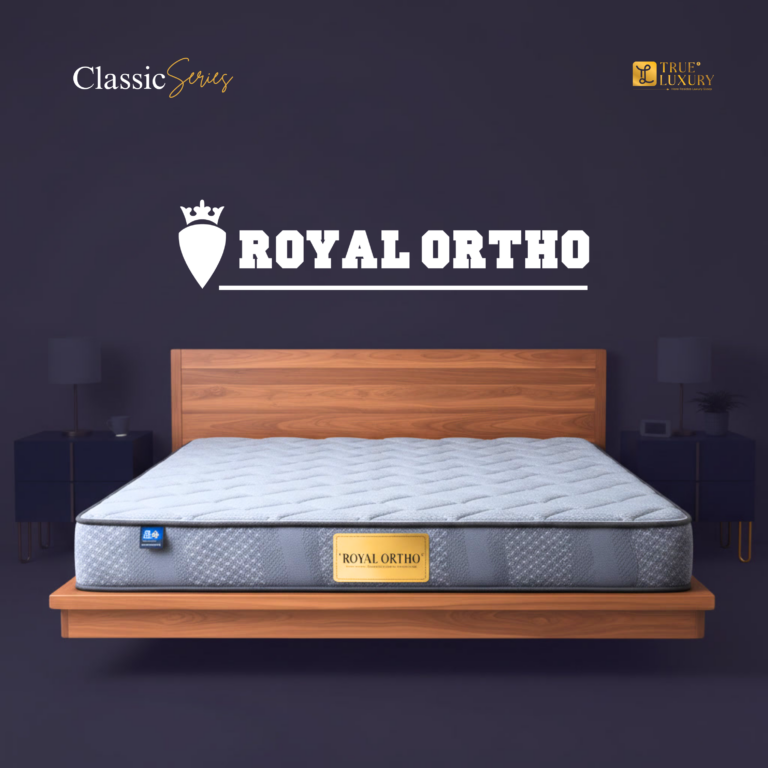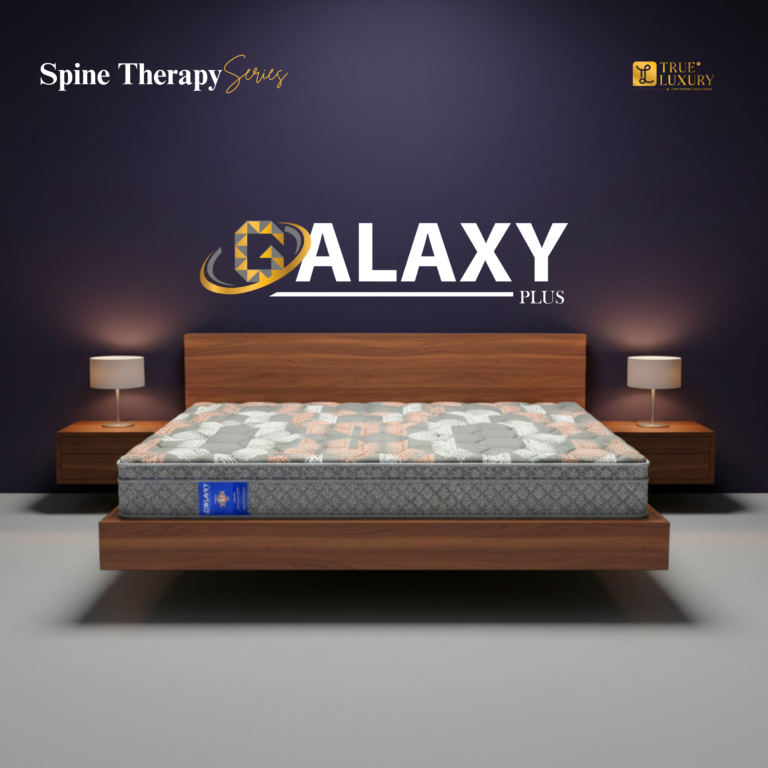
“Orthopedic” is one of the most-used words in mattress marketing — and also one of the most misunderstood. Before you pay extra for a mattress labelled orthopedic, it’s worth understanding what the term actually means, what benefits are genuinely backed by evidence, and who stands to gain the most from one.
What “Orthopedic” Actually Means
Here’s the first thing to know: “orthopedic mattress” is not a regulated medical term. There’s no official certification body that tests and approves a mattress as orthopedic. It’s a description manufacturers use to signal that a mattress is engineered specifically for spinal support and pressure distribution — usually through firmer support layers, targeted zoning, or higher-density foam. That doesn’t make the claim meaningless, but it does mean the label alone isn’t a guarantee of quality. What matters is the actual construction underneath it.
What the Research Actually Shows
Despite the marketing noise, there is real science behind the core idea. Sleep and orthopedic research consistently points to one conclusion: a medium-firm mattress tends to produce the best outcomes for spinal alignment and lower back discomfort, more so than mattresses that are very soft or very firm. A well-known clinical study published in The Lancet found that participants with lower back pain reported better outcomes on medium-firm mattresses compared to firm ones.
The underlying mechanism is straightforward: a mattress that’s too soft allows the heavier parts of your body — hips, shoulders — to sink too deeply, letting the spine curve unnaturally. A mattress that’s too firm doesn’t allow enough give at those pressure points, creating tension in the surrounding muscles. A properly designed orthopedic mattress aims to sit in the middle: firm enough to keep the spine level, but with enough cushioning at pressure points to avoid discomfort.
Who Actually Benefits Most
- People with chronic lower back or joint discomfort — better weight distribution can meaningfully reduce morning stiffness
- Back and stomach sleepers — these positions are more prone to spinal sag on soft mattresses, and benefit most from firmer, structured support
- Older adults — joint sensitivity and reduced mobility make pressure-relieving, supportive surfaces especially valuable
- Heavier individuals — additional body weight needs a firmer, higher-density base to avoid excessive sinkage and premature sagging
If you don’t fall into any of these categories and simply sleep comfortably without pain, a standard well-made mattress in your preferred firmness may serve you just as well.
Common Myths, Debunked
Myth: “Orthopedic always means extra firm”
Not true. Firmness needs vary by body weight and sleep position — a genuinely well-designed orthopedic mattress is built around balanced support, not maximum hardness.
Myth: “One orthopedic mattress fixes all back pain”
A supportive mattress can meaningfully reduce strain and improve sleep posture, but it isn’t a substitute for medical treatment if you have a diagnosed spinal condition. Think of it as one part of a broader approach to spine health, not a cure.
Myth: “You’ll feel the benefit from night one”
Your body typically needs one to three weeks to adjust to a new sleep surface. A mattress that feels unusual on the first night often feels ideal by week two.
What to Actually Check Before Buying
- Look at the layer composition, not just the label — a genuine orthopedic-grade mattress usually combines a supportive base (high-density foam, coir, or pocket springs) with a pressure-relieving comfort layer on top
- Check the foam density — higher density generally means better support retention over time
- Ask about the trial period — a confident brand will offer at least a few weeks to test the mattress in your own bed
- Match firmness to your sleep position and body weight, not just the “orthopedic” tag
The Bottom Line
Orthopedic mattresses aren’t a marketing gimmick, but they’re also not magic. The genuine benefit comes from thoughtful construction — the right balance of firmness, support zoning, and material quality — not from the word printed on the label. If you experience regular back or joint discomfort, a well-constructed medium-firm mattress designed around spinal support is genuinely worth the investment. Just make sure you’re buying the engineering, not just the name.