Buying a mattress sounds simple until you actually stand in a showroom, press down on a dozen options, and realise none of them tell you what you actually need to know. A mattress is one of the few purchases you use for roughly eight hours a day, every day, for years — yet most people spend more time researching a phone upgrade than they do on the surface they sleep on. This guide walks through the practical factors that actually matter, so you can buy with confidence instead of guesswork.
Understand the Main Mattress Types
Most mattresses sold in India today fall into a handful of categories, and each behaves differently once you’re lying on it rather than pressing it with your palm in a store.
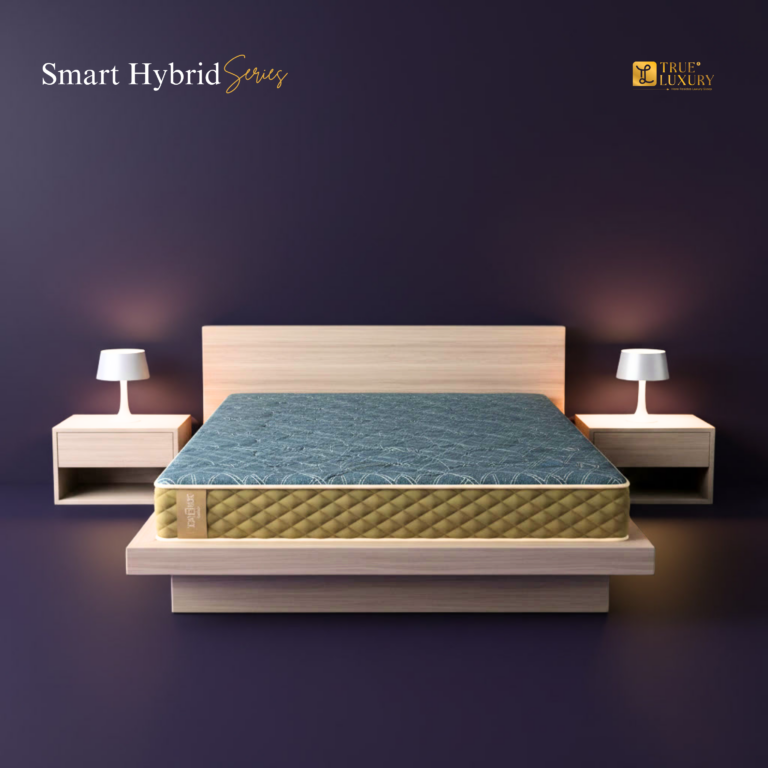
Memory foam mattresses contour closely to the body, which helps relieve pressure on the shoulders and hips — a common complaint for side sleepers. The trade-off is that foam can retain heat, so look for versions with cooling gel layers or open-cell foam if you tend to sleep warm. Spring or coil mattresses, on the other hand, offer more bounce and airflow, making them a popular choice for people who sleep hot or share a bed and want less motion isolation compromise. Hybrid mattresses combine a pocketed spring base with foam or latex comfort layers on top, aiming to give you the support of springs with some of the contouring of foam. Latex mattresses are more responsive than memory foam, naturally cooler, and tend to last longer, though they usually come at a higher price point. TrueLuxury’s range spans several of these constructions, which is worth knowing if you’re trying to compare a foam feel against a hybrid one without visiting five different stores.
There’s no universally best type — the right one depends on your sleep position, body weight, and whether you sleep with a partner whose movements might disturb you at night.
Firmness Is Personal, Not Universal
Firmness is probably the most misunderstood spec on a mattress label. A medium-firm mattress from one brand can feel noticeably different from another brand’s medium-firm, because there’s no industry-wide standard for what those terms mean. Instead of trusting the label alone, think about your sleep position and body type.
Side sleepers generally benefit from a softer surface that cushions the shoulder and hip, preventing pressure points that cause tossing and turning. Back sleepers usually do well on a medium-firm mattress that supports the natural curve of the spine without letting the hips sink too low. Stomach sleepers need a firmer surface to stop the midsection from dipping, which can strain the lower back over a night’s sleep. Body weight matters too — heavier individuals often need a firmer or higher-density mattress to get adequate support, while lighter sleepers may find that same mattress feels too hard and doesn’t contour at all.
If you can, test a mattress for at least 10–15 minutes in your actual sleep position rather than sitting on the edge, since that’s the only way to get an honest read on how it will feel after the first hour of the night.
Size, Space, and the Indian Bedroom
Mattress sizing in India follows a slightly different convention than the US or UK, and getting this wrong is a common — and expensive — mistake. Standard sizes include single (75×36 inches), double (75×48 inches), queen (75×60 inches), and king (75×72 or 78×72 inches), though exact dimensions can vary slightly between manufacturers, so always double-check against your bed frame before ordering.
Beyond the label, think about how the room is actually used. Couples often assume they need a king, but a good queen mattress with enough thickness can comfortably serve two people if the bedroom is on the smaller side. Growing children or guest rooms are usually well served by a single or double, especially if the mattress needs to be moved or resized down the line. It’s also worth checking mattress height — anywhere from 6 to 10 inches is standard, with thicker mattresses generally offering more layers of support and a more hotel-bed feel, though they can make fitted sheets and bed frames with headboards trickier to match.
What to Check Before You Buy
A few practical checks can save you from a costly return or years of disappointed sleep. First, check the trial period and return policy — most reputable brands, including TrueLuxury, offer a trial window because mattress comfort genuinely can’t be judged in a five-minute showroom test. Second, look at the warranty; a longer warranty (8–10 years or more) is often a signal of confidence in the build quality and materials used. Third, check certifications for foam density and material safety, especially if anyone in the household has allergies or sensitivities to synthetic materials.
Finally, don’t ignore the base. Even the best mattress will underperform on a worn-out or unsuitable bed frame, so make sure your existing base provides even, firm support before assuming a new mattress alone will fix persistent back pain or poor sleep.
Choosing a mattress doesn’t have to be complicated once you know what to actually look for — type, firmness suited to your body and sleep position, correct sizing for your space, and a fair trial and warranty policy. Get those four right, and the rest tends to fall into place.